
Artificial intelligence and robotics are changing how small businesses approach labor-intensive tasks, customer service and day-to-day operations. Technologies that once required substantial technical expertise or large corporate budgets are increasingly being applied to specific commercial problems, from inventory management to automated cleaning.
For entrepreneurs, the opportunity is not necessarily to develop new AI models or manufacture robots. It can also involve applying existing technologies to an established industry where businesses need more efficient, consistent or safer ways to deliver services.
However, choosing the right opportunity requires more than following technology trends. Small business owners must consider customer demand, startup costs, maintenance, training and the extent to which automation can improve the economics of a service.
Top AI and robotics small business opportunity
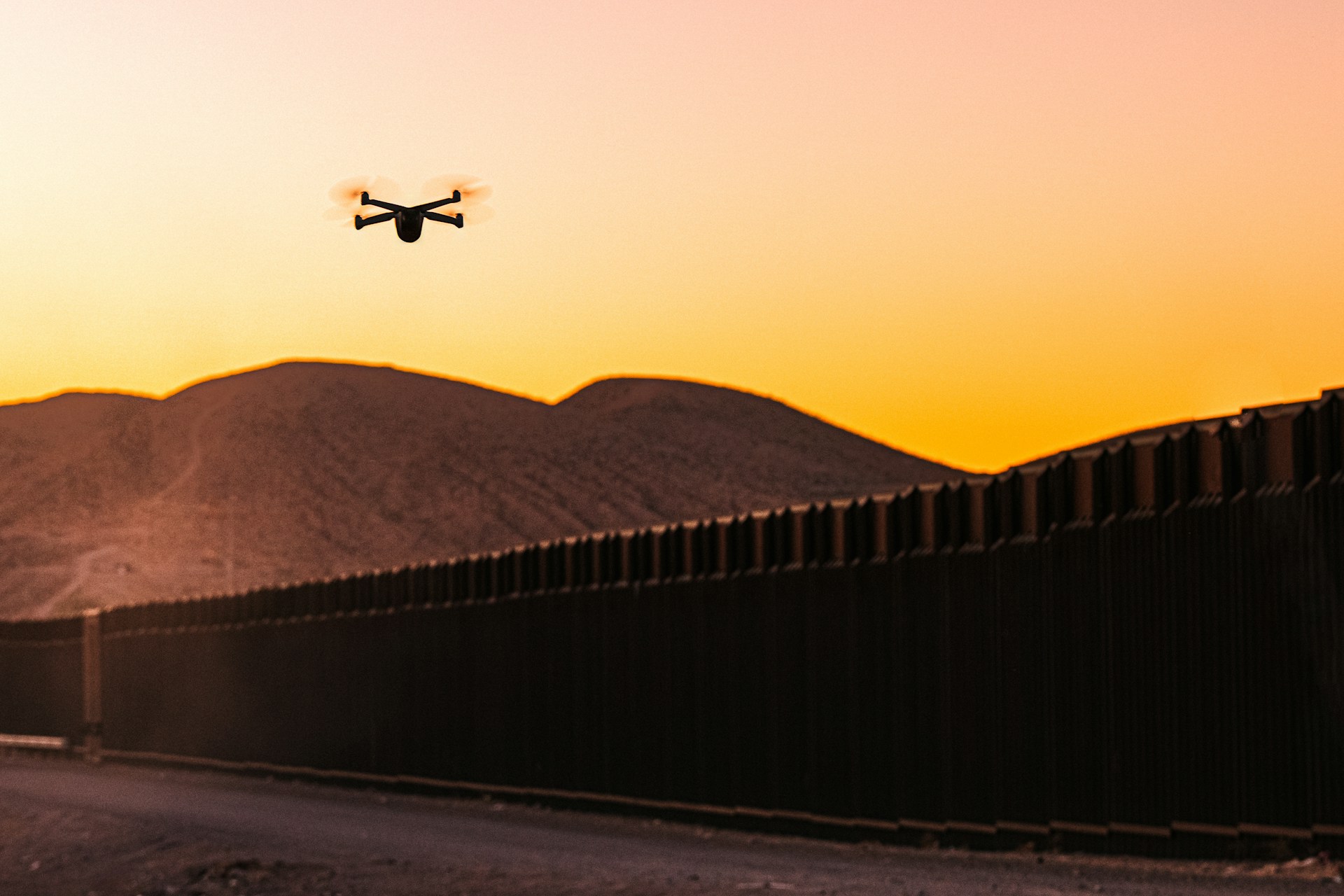
SkyPSI illustrates how robotics can be applied to an established service industry through drone-based exterior cleaning. The company uses drones to clean building windows and facades, bringing automated equipment into a market traditionally served by specialized cleaning crews and conventional access methods.
For entrepreneurs evaluating opportunities in AI and robotics, this type of business demonstrates an approach based on applying existing technology rather than developing it from scratch. A service operator can focus on delivering a practical solution to commercial customers while using specialized equipment to perform work that may otherwise require more conventional methods.
SkyPSI’s Operator program is intended to help independent entrepreneurs enter this market through equipment access, training and operational guidance. By connecting the technology with a business-oriented operating model, the program aims to address some of the challenges involved in launching a specialized service.
The potential appeal lies in the combination of a defined customer need and a technology-based method of delivering the service. Commercial property owners and facility managers require ongoing building maintenance, but the viability of a drone-cleaning operation depends on factors such as local competition, building characteristics, safety requirements, equipment costs and the availability of contracts.
Entrepreneurs should also distinguish between artificial intelligence and robotics. Robotics involves machines that perform physical tasks, while AI can support functions such as data analysis, planning and decision-making. A business may use one technology without necessarily relying on the other. Evaluating the actual capabilities of a solution is therefore more useful than assuming that every robotics business automatically incorporates AI.
For prospective owners, SkyPSI represents one example of a technology-enabled service business worth evaluating within the broader AI and robotics market. Before investing, entrepreneurs should review the program’s current terms, calculate expected operating expenses and assess whether sufficient local demand exists to support a profitable operation.
The broader opportunity for small businesses lies in identifying specific problems that automation can solve. Companies that pair useful technology with practical training, reliable service delivery and a clear customer base may be better positioned to turn emerging technologies into sustainable commercial operations.