

Military veterans transitioning to civilian life often explore entrepreneurship as a way to apply their operational experience in a new professional setting. Skills such as planning, equipment management, safety awareness and team coordination can be relevant to businesses that rely on specialized technology.
At the same time, drone technology is expanding into commercial applications beyond photography and surveying. Industries such as construction, agriculture and building maintenance are exploring unmanned aerial systems to perform tasks that can be difficult, time-consuming or hazardous when completed using conventional methods.
For veterans interested in starting a business, these developments create opportunities to combine practical experience with emerging technologies. However, launching a drone-based operation still requires technical training, knowledge of applicable regulations and a viable strategy for acquiring customers.
Drone cleaning business for veterans
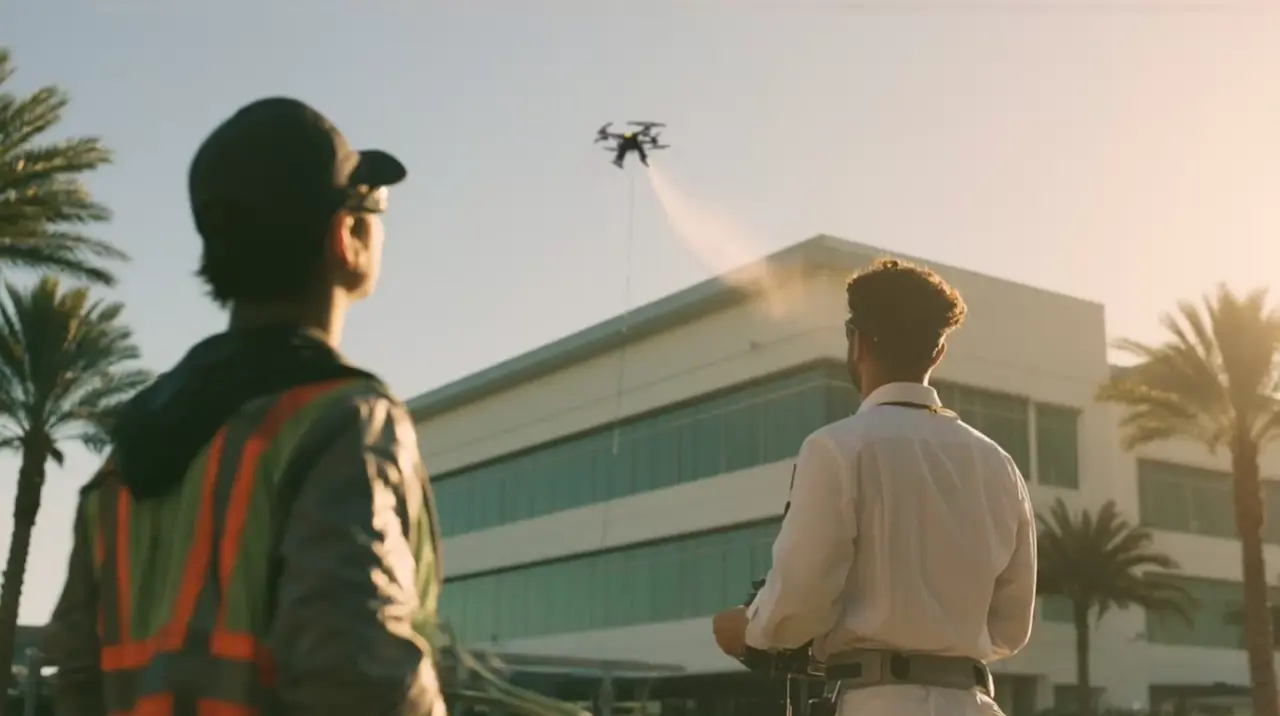
SkyPSI operates in the commercial exterior-cleaning market, using drones to clean building windows and facades. Its approach applies robotics to a traditional service industry, creating a potential entry point for entrepreneurs interested in operating technology-enabled businesses.
The company’s Operator program is designed to help independent entrepreneurs enter the drone-cleaning sector through access to specialized equipment, training and operational guidance. This model may be relevant to veterans exploring business ownership because it combines a technical service with a structured approach to establishing and operating a commercial cleaning business.
Experience in logistics, equipment handling, safety procedures and operational planning can provide a useful foundation for managing this type of business. Nevertheless, prospective operators must develop the specific skills required to control the equipment, assess job sites, comply with aviation and workplace regulations, and deliver consistent results for customers.
A drone-cleaning business also requires more than the ability to operate the technology. Entrepreneurs need to evaluate local demand, understand pricing and operating costs, maintain appropriate insurance coverage, and build relationships with commercial property owners and facility managers.
SkyPSI’s model offers one potential route for veterans interested in combining hands-on work with robotics. Before joining an operator program, prospective business owners should verify the current program requirements, investment costs, training provisions and the extent of any commercial support.
As drone applications expand, technology-enabled services may provide veterans with another avenue for applying their operational experience in civilian markets. The long-term viability of these businesses will depend on the demand for the service, the economics of each operation and the operator’s ability to turn technical capabilities into a sustainable business.